
Online Reputation: The Key to Senior Care Intake
Senior Care, Online Reputation, Intake Systems
Why Online Reputation Is Your Real Intake System in Senior Care
As a senior software engineer who’s spent years building tools for senior care providers, I’ve watched one pattern repeat so often it stopped feeling like “marketing” and started feeling like infrastructure. That pattern is simple: your online reviews are quietly acting as your first intake system long before your phone ever rings.
Sara Guida’s discovery: families read 7–10 reviews before they ever call
Working alongside senior care strategist Sara Guida, I kept seeing the same analytics story. Website traffic looked healthy. Map views were strong. But calls and form fills lagged. When we dug in, we saw families spending time on Google Business Profiles and directory listings, reading 7 to 10 reviews on average before taking any next step.
Sara started asking families directly during intake: “What did you look at before reaching out?” Over and over, they said some version of, “We read a bunch of reviews first, especially the last few.” That’s when it clicked for her: your review feed is the real intake form. If it doesn’t pass their gut check, they never call—and you never even know they were there.
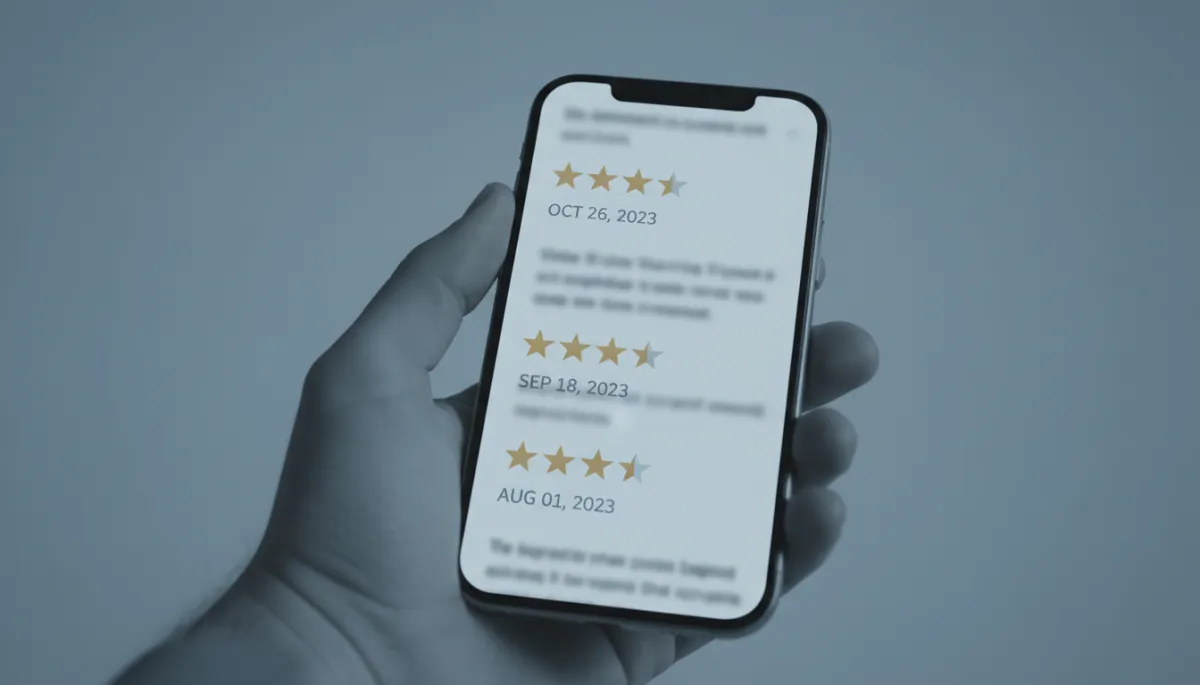
Families quietly qualify you by reading multiple reviews before reaching out.
Recency rules: the last 3–5 reviews make or break trust
Across Sara’s clients, another pattern emerged: families didn’t just skim all reviews equally. They weighted the most recent ones much more heavily. A single negative review from last week felt scarier than a negative one from two years ago, even if the overall rating was strong.
Think like an engineer reading a GitHub repo: you care about the latest commit history, not just the stars. Families behave the same way. They’re asking, “What’s it like now?” If your last three reviews are silent, outdated, or unresolved complaints, their emotional decision is often made before they ever see your beautifully designed intake form.
💡 Friendly Insight: A fresh, steady stream of reviews signals “this team is active, responsive, and paying attention” in a way no tagline can.
Reputation management as step zero of intake
Most providers treat reputation management as a fire extinguisher—something you grab only when there’s a bad review. Sara’s data pushes us to see it as a front door. If intake is a funnel, reviews are the invisible top. You can optimize call scripts all day, but if families bounce at the review stage, your team never gets a chance to help them.
And there’s a real human cost here. Behind every “never called” is a stressed adult child, a scared older adult, and days or weeks of delay in getting support. They don’t just choose another provider; sometimes they choose no care at all because they can’t find anyone they trust. That’s the part that keeps Sara up at night.

Weak or outdated reviews can push families into painful delays in care.
A practical, engineer-friendly system for consistent reviews
Let’s talk systems. You don’t need a massive tech stack; you need a repeatable flow. Here’s a simple pattern I’ve implemented with agencies and operators:
Identify “happy moments” in your service journey (successful move-in, positive family meeting, discharge with thanks).
Trigger an email or text within 24 hours with a direct review link.
Log every review in a simple dashboard and respond within 48 hours—positive or negative.
For the tech teams and agencies reading this, here’s a tiny pseudo-integration sketch using a webhook from your CRM to send review requests:
import requests

def send_review_request(family_name, phone, review_link):
    message = (
        f"Hi {family_name}, this is your care team. "
        "If you feel comfortable, would you share a quick review "
        f"about your experience? {review_link}"
    )

    payload = {
        "to": phone,
        "body": message
    }

    response = requests.post("https://sms-provider.example.com/send", json=payload)
    response.raise_for_status()
    return response.json()
On the response side, create simple templates so your team can reply consistently. For example, keep a snippet for positive reviews (“Thank you for trusting us with your mom…”) and one for concerns (“We’re sorry we missed the mark and would love to talk directly…”). The goal is to show future readers that you’re present, human, and accountable.
Treat reviews like production, not marketing
As engineers, we don’t wait for servers to crash before we add monitoring. Sara’s big insight is that senior care providers need to treat online reputation the same way: as always-on intake infrastructure. When you generate steady, recent reviews and respond professionally to each one, you’re not just protecting a brand—you’re opening the door a little wider for the families who are quietly deciding whether to trust you.
Book a Demo with https://silvercore.io/