Optimize Revenue with Speed-to-Lead in Senior Care
Speed-to-Lead, Intake Automation, Revenue Optimization
Speed-to-Lead as a Revenue Variable for Senior Care Intake
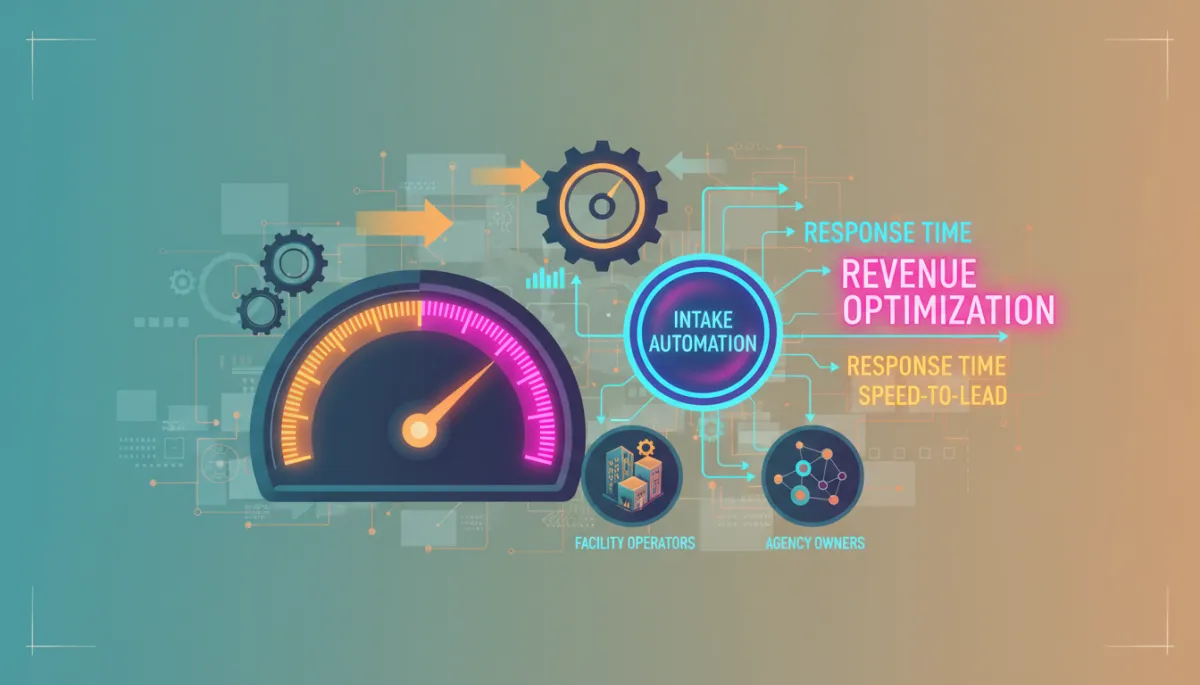
On SilverCore.io, we treat speed-to-lead as more than a KPI. For Facility Operators and agencies, it is a direct revenue variable. If you are debating whether to build an Intake Automation system, start with the math and the operations, not the software.
Why Speed-to-Lead Decides Revenue, Not Just Experience
Families shopping for senior care rarely wait. They submit forms to three to five providers. The first Facility Operator or agency to respond with clarity, empathy, and next steps usually wins the conversation. That makes Response Time and speed-to-lead core levers in Revenue Optimization, not side metrics for your CRM dashboard.
In senior care intake, “fast enough” is measured in minutes, not hours. If your average first response is over 15 minutes during business hours, you are financing your competitors’ occupancy with your marketing budget.
The Revenue Math Behind Speed-to-Lead
Keep the math simple and visible. Assume:
200 inquiries per month from web forms, calls, and referral partners.
Each move-in is worth $4,000 in first-month revenue.
Lifetime value per resident is $24,000 over six months.
If you respond within 5 minutes, you might convert 15% of inquiries into tours and 30% of tours into move-ins. That is 9 move-ins a month, or $216,000 in lifetime value. If your average response slips to 60 minutes, lead decay sets in. Conversion might fall to 8% from inquiry to tour. Now you land about 5 move-ins, or $120,000 in lifetime value.
The speed-to-lead gap between 5 minutes and 60 minutes is worth roughly $96,000 in lost lifetime revenue every month in this simple model. That is the budget for a serious Intake Automation system, several times over, for Facility Operators or agencies managing multiple communities.
📌 Key Takeaway: Every minute of delay quietly discounts the return on your marketing and referral spend.
Operational Tactics: Design for Instant, Consistent Response
Before writing a single line of code, map the intake operations. For Senior Care Intake, three tactics create immediate impact:
Centralize all leads. Route web forms, call transcriptions, chat, and referral feeds into one queue. Fragmented inboxes guarantee slow Response Time.
Standardize first touch. Use a single, tested script for first contact: confirm details, share availability, and book a next step in the same interaction.
Set a service-level objective. For example, 90% of new leads receive a live call or text within 3 minutes, 7 days a week, 8am–8pm.
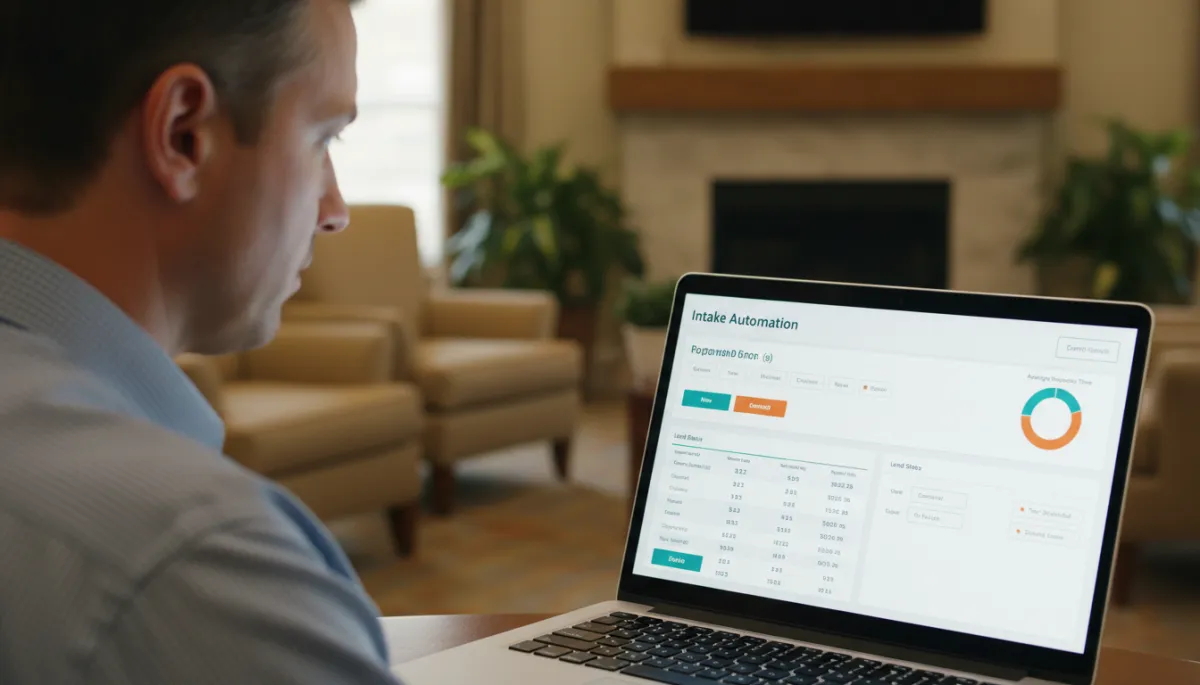
Visible response-time metrics keep intake teams focused on revenue-critical moments.
A Practical Step-by-Step System for Intake Automation
Audit current speed-to-lead. For one week, measure time from inquiry to first human touch across all channels. This baseline is your control.
Define “qualified lead.” For Facility Operators and agencies, align on fields you must capture in the first interaction: care level, timing, budget, location, decision-maker.
Automate first acknowledgment. Trigger instant SMS and email confirming receipt, expected follow-up window, and a self-serve link to schedule a tour or call.
Auto-route and prioritize. Use rules to assign leads by geography, care type, and acuity. Push hot leads to the top of the queue with clear timers.
Template the first live contact. Build call and text templates that guide staff through discovery and booking in under ten minutes.
Measure, then iterate. Track response time, contact rate, show rate, and move-in rate. Adjust routing, templates, and staffing based on data, not anecdotes.
Build or Buy: A Clear Lens for Facility Operators and Agencies
For agency owners and Facility Operators, the decision to build an Intake Automation system should pass a simple test: Can we recover the full cost in 90 days through improved speed-to-lead? If your current gap is worth tens of thousands in lost revenue each month, the answer is usually yes. The real risk is not overbuilding software; it is underestimating the value of minutes in your intake process.
Treat speed-to-lead as a revenue variable, design operations around it, and let Intake Automation handle the repetition. Your teams can focus on what they do best: listening to families and guiding them into the right senior care solution. Book a demo at silvercore.io