Evolving Senior Living Marketing Strategies
Senior Living Marketing, Caregiver Demographics, Marketing Strategy Shift
When “The Adult Daughter” Isn’t Your Only Buyer Anymore
How senior living marketing is finally catching up with real family caregiver roles and changing demographics.
I was sitting in a quiet corner of a community lobby recently, waiting for a tour to start, when I noticed something that used to be rare: a middle‑aged man, not a woman, doing the emotional heavy lifting of the visit. He had a notebook out, a list of questions, and that familiar mix of worry and determination on his face. His sister was on FaceTime, but he was clearly the point person. As I watched him talk with the sales director, I thought, our marketing still doesn’t really speak to him.
Twenty Years of “Meet Emily, the Adult Daughter”
If you’ve worked in Senior Living Marketing for any length of time, you know the script. For roughly two decades, our entire playbook has revolved around one central character: the adult daughter. She’s in her late 40s or early 50s, juggling kids, a career, and her aging parent. Every brand deck had a slide with her name, her worries, her media habits, her “day in the life.”
That persona wasn’t wrong. Adult daughters have always been, and still are, incredibly important in family caregiver roles. But somewhere along the way, the industry turned one accurate insight into the only insight. We built websites, brochures, and campaigns that spoke almost exclusively to “Emily”—her guilt, her stress, her need for reassurance. Everyone else at the decision‑making table became a supporting character, if they showed up at all.
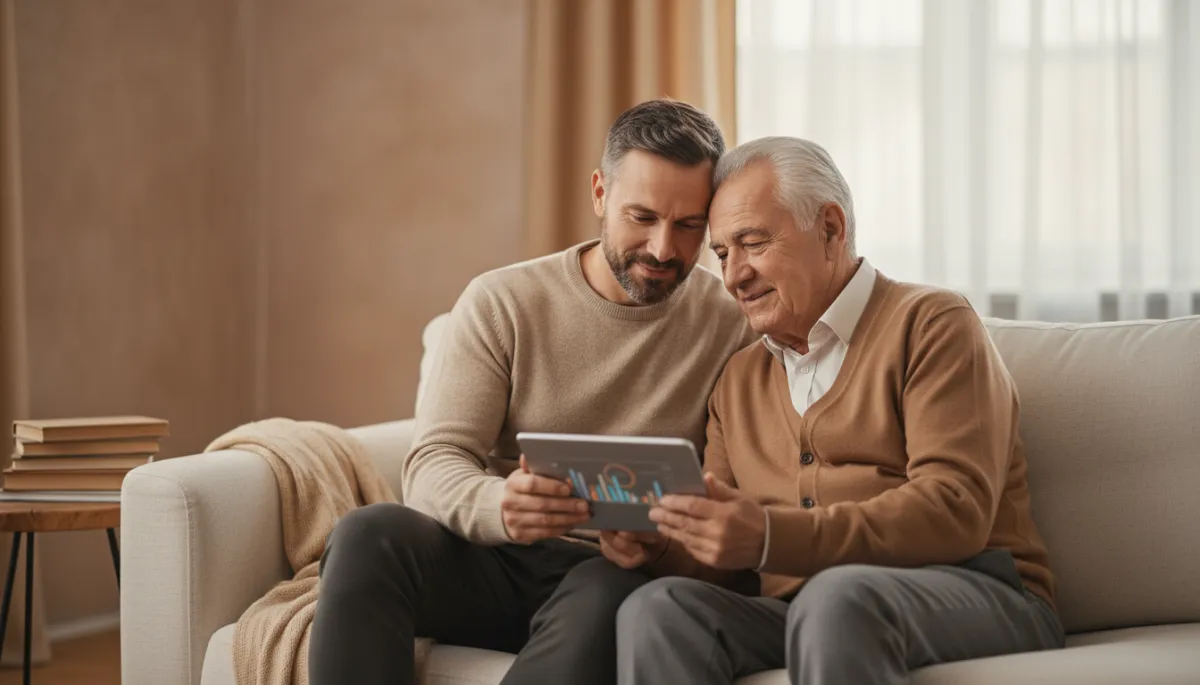
Male caregivers are increasingly the primary decision makers in senior living choices.
The Quiet Rise of Male Caregivers and Complex Families
The reality on the ground has changed. Male caregivers are no longer the exception; they’re a growing part of the norm. I’m seeing adult sons leading tours, sons‑in‑law coordinating finances, and brothers handling logistics while sisters live across the country. I’m also seeing blended families, same‑sex couples, nieces and nephews, and close family friends stepping into primary caregiver roles.
Major operators are starting to acknowledge this shift. In discovery work for new marketing strategy shifts, I’m hearing more questions like, “How do we speak to brothers making decisions together?” and “Where do we show up for adult sons who are researching at 11 p.m. after work?” It’s a welcome change—but it also means some long‑standing habits in senior community outreach need to be revisited.
💡 Pro Tip: If your personas still only feature “stressed suburban daughter,” it’s time for a refresh workshop with your sales teams.
Are You Still Marketing to a Shrinking Slice of the Pie?
Here’s the risk: when your messaging clings to a single, outdated persona, you’re effectively marketing to a shrinking audience. The data on caregiver demographics tells us that care is becoming more shared, more male, and more geographically spread out. Yet many campaigns still show only daughters touring communities, only mothers on the receiving end of care, and only one narrow version of what a “real” caregiver looks like.
When a son, nephew, or partner lands on your website and doesn’t see themselves reflected, there’s a subtle disconnect. They may not bounce immediately—but they feel like a guest in someone else’s story. Updating your Senior Living Marketing isn’t just about inclusivity; it’s about relevance and conversion. People respond to brands that recognize their reality.

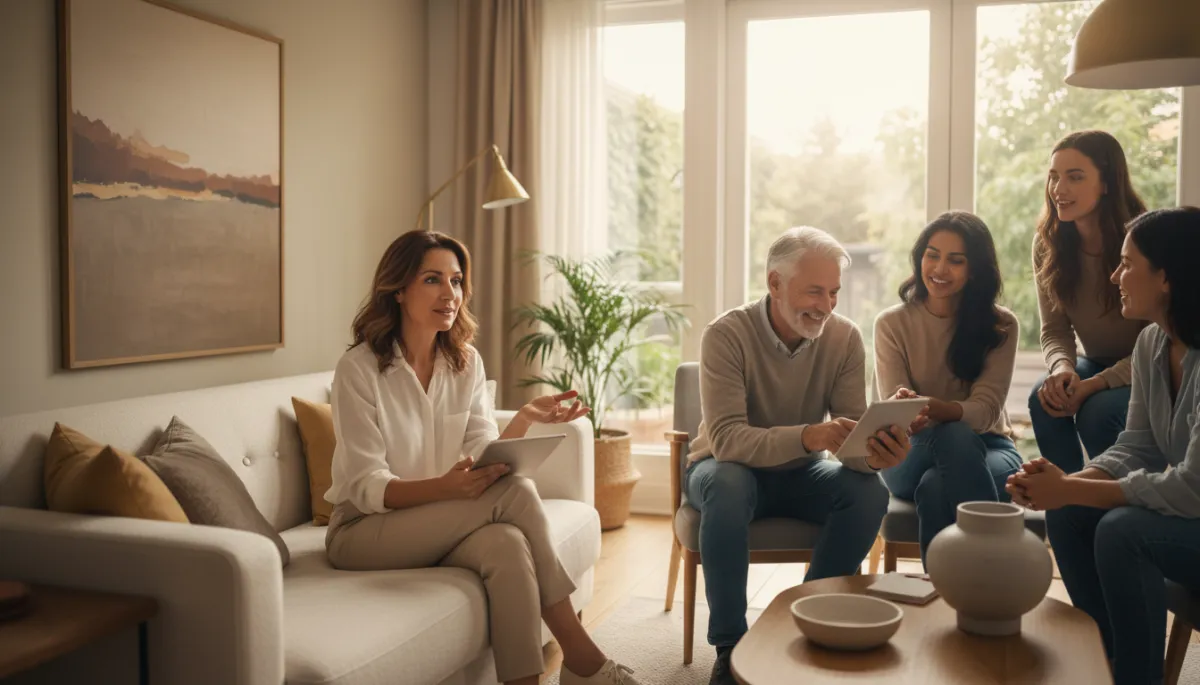
Revisiting personas together helps align outreach with today’s caregiver realities.
What This Shift Really Asks of Us
This isn’t a call to throw out everything and start over. It’s an invitation to widen the lens. For communities and agencies, that might look like:
Refreshing personas to include multiple family caregiver roles, not just one “hero” daughter.
Auditing imagery and language so adult sons, partners, and extended family see themselves in your senior community outreach.
Listening to your sales teams about who is actually showing up for tours and inquiry calls today.
When I think back to that son in the lobby with his notebook, I imagine what it would feel like for him to land on a website that says, “We see you. We know you’re doing your best. Let’s figure this out together.” That’s the heart of this marketing strategy shift —not a new funnel diagram, but a more honest reflection of who is actually doing the work of caring.
If your marketing still speaks to only one kind of caregiver, you’re not just behind the curve—you’re leaving real families, and real opportunities, on the table. The good news is that with a thoughtful refresh, your message can meet today’s caregivers where they truly are.
Book a Demo with https://silvercore.io/